What is Window Condensation?
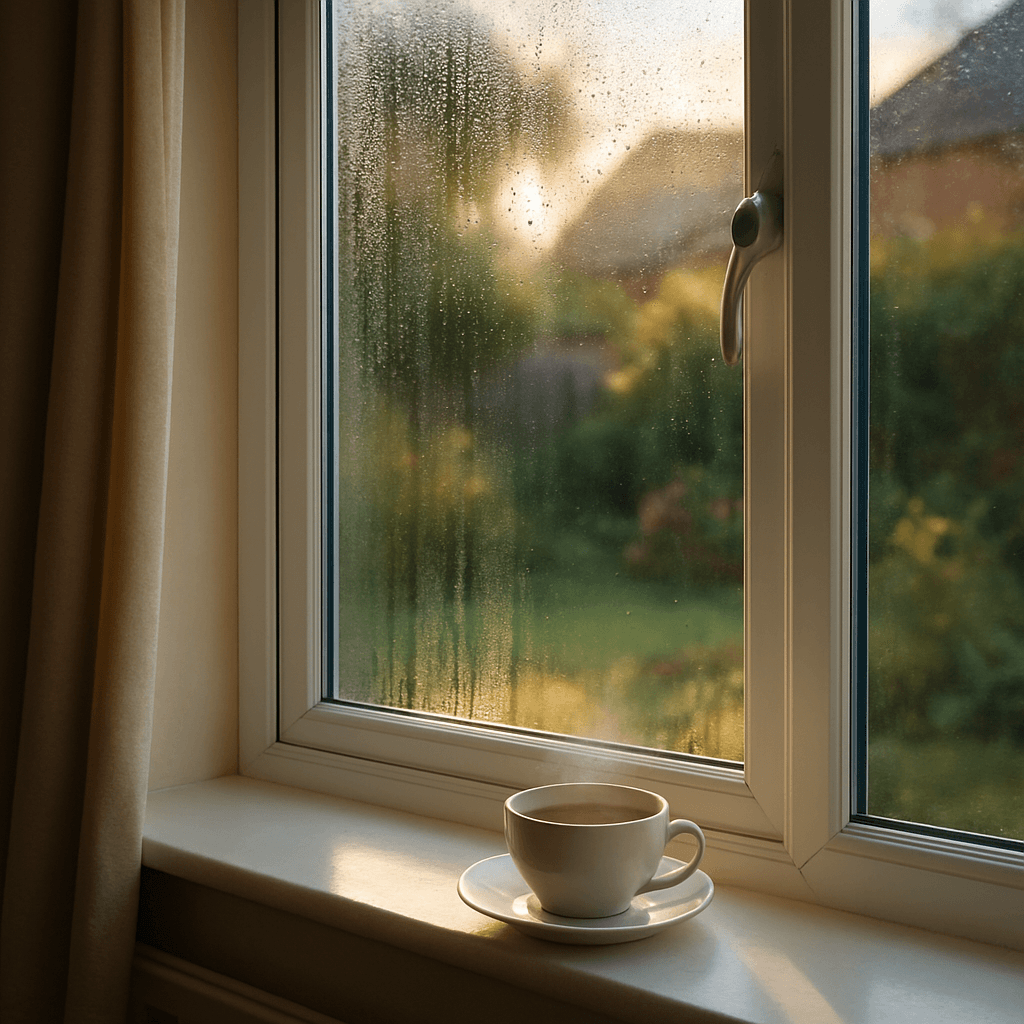
Window condensation occurs when warm, moist air inside your home meets a cold windowpane. The temperature difference causes water vapour to condense into droplets, often seen during colder months in the UK. While this is a common phenomenon, persistent condensation could point to deeper issues.
Types of Condensation
1. Internal Condensation
This appears on the inside of windows and is the most common type. It’s typically caused by high humidity in the home due to cooking, showering, or lack of ventilation.
2. External Condensation
This occurs on the outside of the window, usually in the morning. It’s actually a sign of high-performance glazing, indicating your double- or triple-glazing is doing its job well.
3. Interstitial Condensation (Between Panes)
This type is often a sign the sealed unit has failed. Moisture trapped between panes reduces visibility and affects insulation. This is not normal and usually indicates the need for replacement.
How to Prevent Internal Window Condensation
Here are several practical steps UK homeowners can take to control indoor humidity and reduce condensation:
- Ventilation is key: Use extractor fans in kitchens and bathrooms and keep windows ajar when weather permits.
- Utilise a dehumidifier: Especially helpful during winter to keep humidity levels below 60%.
- Dry clothes outdoors: Or use a vented dryer to avoid moisture build-up indoors.
- Add window ventilation systems: Trickle vents allow constant airflow without compromising security.
When Should You Be Concerned?
Occasional internal condensation on very cold days is nothing to worry about. However, you should take action if you notice:
- Consistent fogging between the glass panes
- Black mould or mildew growth around windows
- A damp or musty smell indoors
- Rotting window frames (particularly timber)
Upgrade to Modern Windows
If your current windows are outdated or consistently problematic, upgrading to energy-efficient double or triple glazing can help significantly. Today’s windows offer better insulation, reducing the temperature difference and likelihood of condensation. uPVC and aluminium frames with thermal breaks also aid in regulating indoor climates.
Trust Local Experts
A trusted installer like Roofriendly can assess whether your condensation issues are normal or a sign of window deterioration. Our experienced Lincolnshire and Nottinghamshire-based team provides energy-efficient solutions that eliminate recurring condensation and improve your home’s comfort and energy performance.
Request a free quote from Roofriendly today and take control of your home’s comfort.